
Content Library
Back to AutoContent APIPodcast
The Hidden World of Microbes
Explore every generated asset for this topic, including the interactive quiz.
Listen to the generated episode and follow the full transcript.
Watch the generated explainer video for this topic.
Review the visual summary built for this content item.
Open the generated presentation deck for this topic.
Take the interactive quiz and check what you retained.
Podcast
Listen to the episode and open the generated transcript.

The Hidden World of Microbes
This episode delves into the incredible, unseen world of microbes, exploring their vital roles in ecosystems, health, and climate. The discussion highlights how understanding and innovating with these microorganisms could transform approaches to health, sustainability, and technology.
Transcript
Expand to read the dialogue for this episode.
Explainer Video
Watch the generated explainer for this episode.
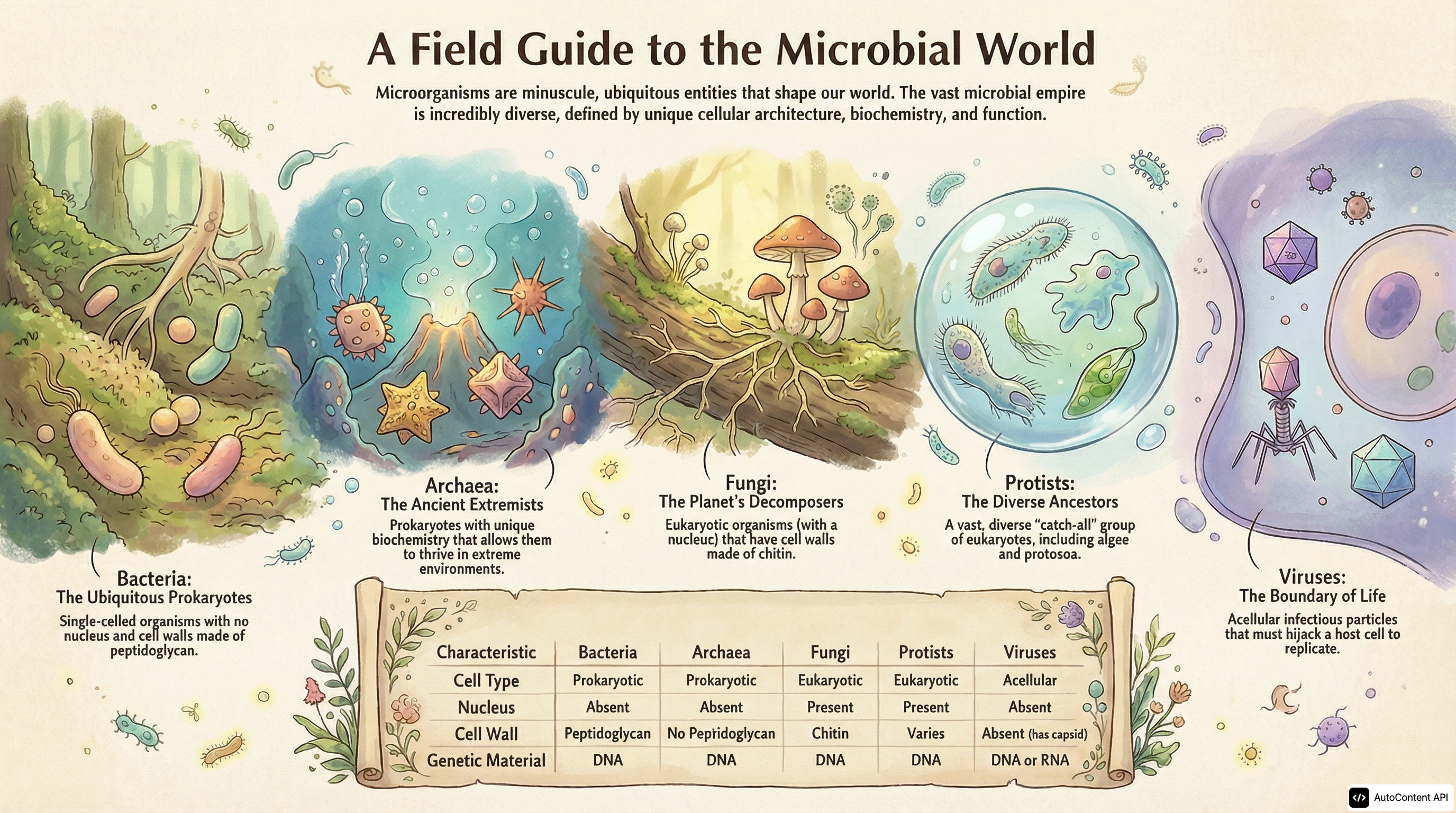
Infographic
Visual snapshot generated for this episode.
Slide Deck
Preview the generated deck for this episode.
Quiz
Test your understanding with the interactive quiz for this episode.
Quiz preview unavailable.
Open quiz in new tabStart creating podcasts from your existing content today
Transform your documents, articles, and research into engaging AI-generated podcasts.
More from Science & Nature
View all →
CRISPR and the Future of Genetic Engineering
This episode dives into the revolutionary CRISPR-Cas technology, exploring its origins, transformative applications in medicine and agriculture, and the ethical challenges it poses. Key insights include the balance between innovation and responsibility, particularly regarding gene editing's potential societal impact.

The Physics Behind Everyday Things
This episode explores the intricate physics underlying everyday experiences, from toasters to smartphones, highlighting how fundamental principles like mechanics, thermodynamics, and electromagnetism shape our modern world. A standout insight is the role of relativity in modern technology, especially GPS, where tiny time dilations are crucial for accurate navigation.
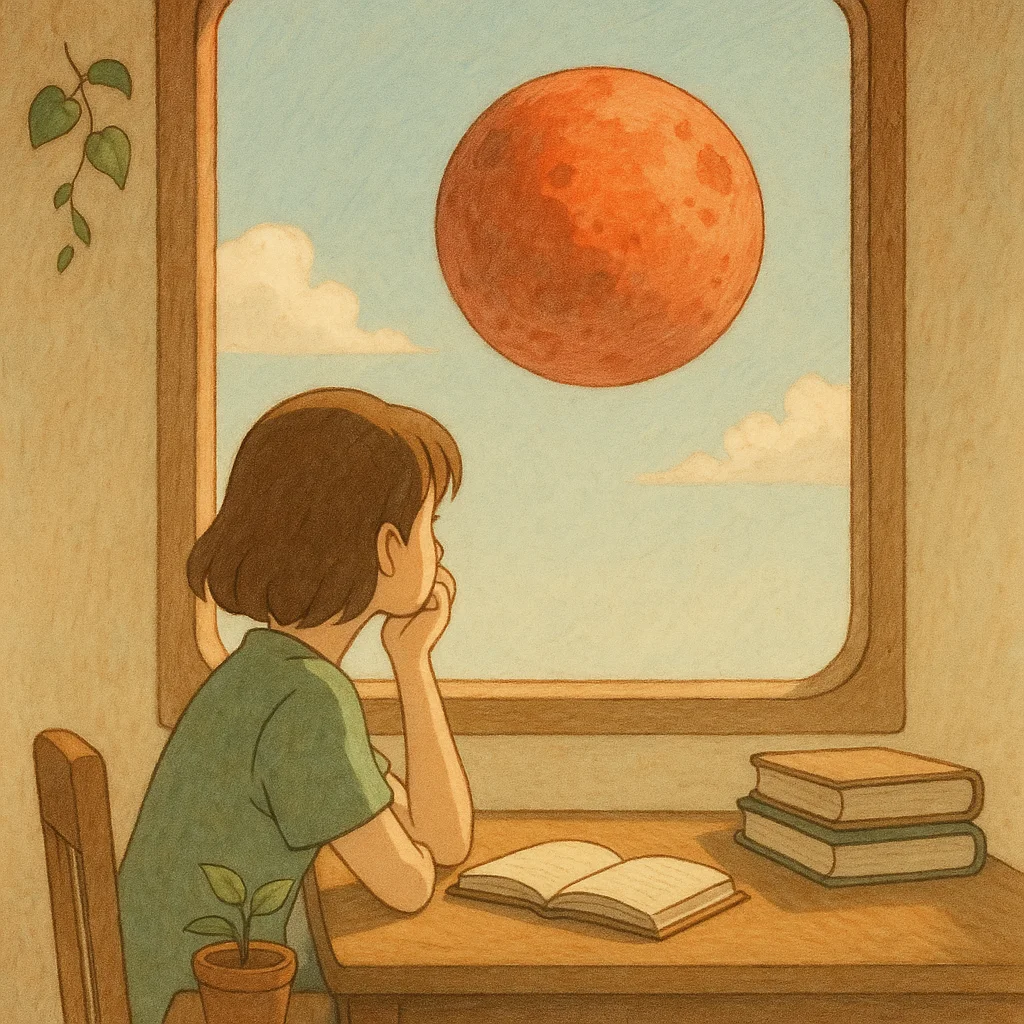
Can We Live on Mars? A Realistic Look at Space Colonization
In this episode of Deep Dive, the hosts explore the complex challenges and prospects of establishing a human settlement on Mars. They emphasize that while ambitious goals drive innovation, successful colonization hinges on solving critical technological and logistical hurdles.
Contact Us
Have questions or feedback? We'd love to hear from you. Fill out the form below and we'll get back to you as soon as possible.